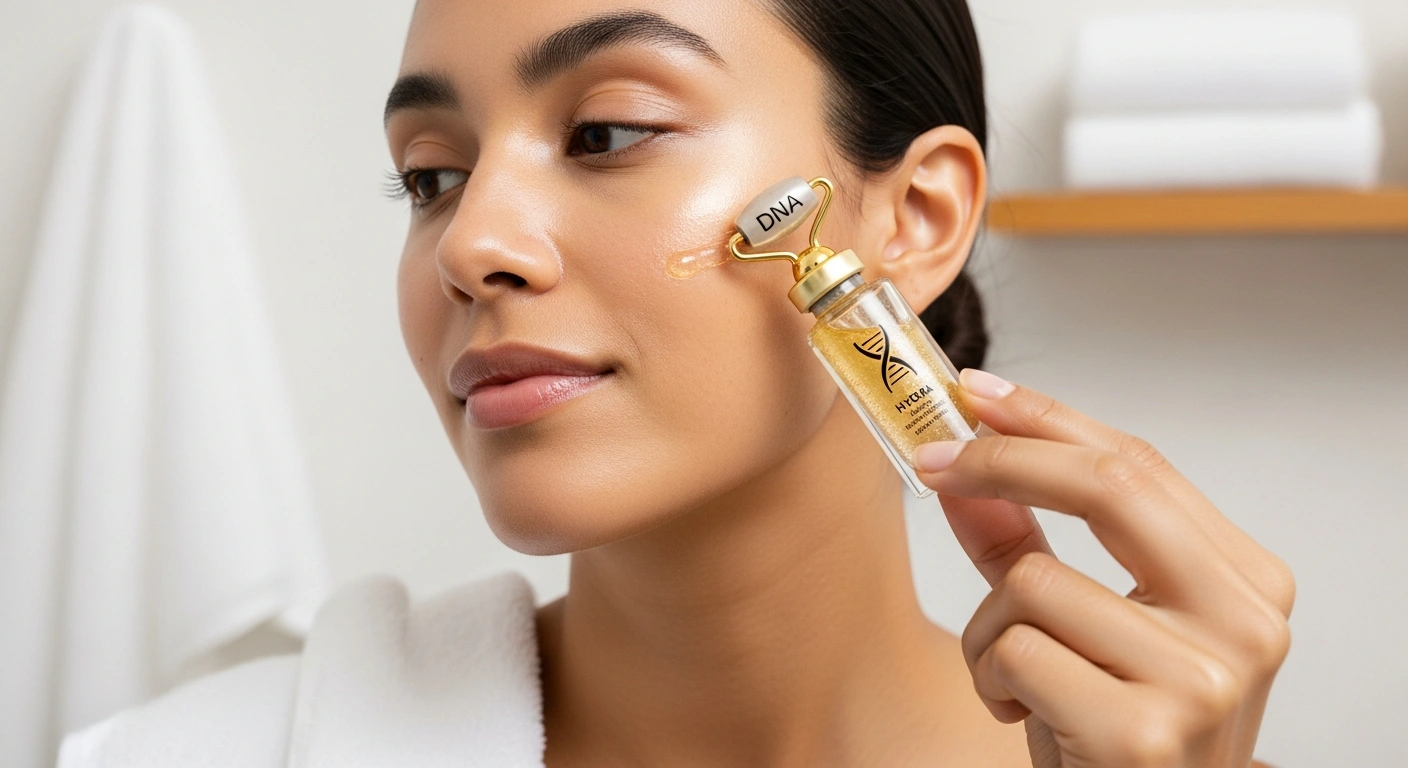
If you’ve been curious about microneedling but hesitant to book a $300+ clinic appointment, you’re not alone. At-home microneedling has become one of the most effective ways to get professional-level skincare results without leaving your bathroom.
I’ll walk you through everything you need to know about microneedling kits, from how they actually work to getting the best results safely.
What Is Microneedling and Why Does It Work?
Microneedling creates tiny micro-channels in your skin using fine needles. Your skin interprets these as minor injuries and kicks its repair response into high gear. The result? Increased collagen production, better product absorption, and skin that looks firmer and more radiant over time.
The real magic happens when you combine microneedling with active serums. Those micro-channels allow ingredients like retinol, niacinamide, and peptides to penetrate up to 300% deeper than they would on their own.
Clinic vs. At-Home Microneedling
Let’s be real about what you’re getting with each option.
| Factor | Clinic Treatment | At-Home Kit |
|---|---|---|
| Cost per session | $200-$700 | $15-$30 |
| Downtime | 1-3 days | Minimal to none |
| Needle depth | 1.5-2.5mm | 0.25-0.5mm |
| Results timeline | Faster but requires multiple visits | Gradual with consistent use |
| Convenience | Appointment required | Anytime at home |
Clinic treatments go deeper and can address severe scarring or skin laxity. But for general anti-aging, texture improvement, and maintaining healthy skin, at-home kits deliver impressive results at a fraction of the cost.
How to Use a Microneedling Kit at Home
Getting good results comes down to technique and consistency. Here’s the process I recommend:
Step 1: Cleanse thoroughly. You need a completely clean canvas. Any bacteria on your skin can get pushed into those micro-channels, so don’t skip this.
Step 2: Apply your serum. Use a serum designed for microneedling with ingredients like hyaluronic acid serum or peptide serum. These give your skin nutrients while the channels are open.
Step 3: Work in sections. Start at your forehead and work down. Use gentle stamping motions with about 50% overlap. Don’t drag or roll aggressively.
Step 4: Let it absorb. Leave the serum on overnight. Your skin will drink it up while you sleep.
What Results Can You Actually Expect?
I’m not going to promise you’ll look 20 years younger overnight. That’s not how skin works. But here’s what consistent at-home microneedling can realistically do:
Within 2-4 weeks, your skin will likely look more radiant and feel smoother. That’s the improved cell turnover kicking in.
By 6-8 weeks, fine lines start to soften. Your skin’s texture becomes more refined, and products seem to work better overall.
At 3+ months, you’re looking at genuine collagen remodeling. This is when people start asking what you’ve been doing differently.
Choosing the Right Microneedling Kit
Not all kits are created equal. Here’s what to look for:
Sterile, single-use needle heads. This is non-negotiable. Reusing needles is asking for infection and irritation.
Quality serums included. The serum matters as much as the device. Look for kits that include peptide-rich formulas rather than basic hyaluronic acid alone.
Appropriate needle depth. For home use, 0.25-0.5mm is the sweet spot. Deep enough to boost absorption and stimulate collagen, shallow enough to be safe without professional supervision.
Who Should Avoid At-Home Microneedling
This isn’t for everyone. Skip microneedling if you have active acne or skin infections, rosacea flare-ups, eczema in the treatment area, or if you’re currently using prescription retinoids without your doctor’s approval.
When in doubt, check with your dermatologist first.
Ready to Start?
At-home microneedling is one of the most effective tools you can add to your skincare routine. It takes the guesswork out of getting clinical-level results and puts you in control of your skin’s transformation.
If you’re new to this, the GlowYoung Anti-Aging Microneedling Kit is a solid starting point. It includes everything you need plus a niacinamide serum that works beautifully with the treatment.
Next, learn about choosing the right needle depth and proper aftercare to maximize your results.


