If you’ve searched for “PRP facial near me” and experienced sticker shock at the $1,000-$1,500 price tag per session, you’re not alone. The PRP facial—made famous by celebrity Instagram posts showing blood-covered faces—has become one of the most sought-after anti-aging treatments in dermatology. But what if you could achieve similar results at home for a fraction of the cost?
The science behind PRP facials isn’t magic. It’s biology. And understanding how platelet-rich plasma actually works reveals why modern at-home alternatives can deliver comparable skin rejuvenation without the clinic visit, blood draw, or four-figure price tag.
What Exactly Is a PRP Facial?
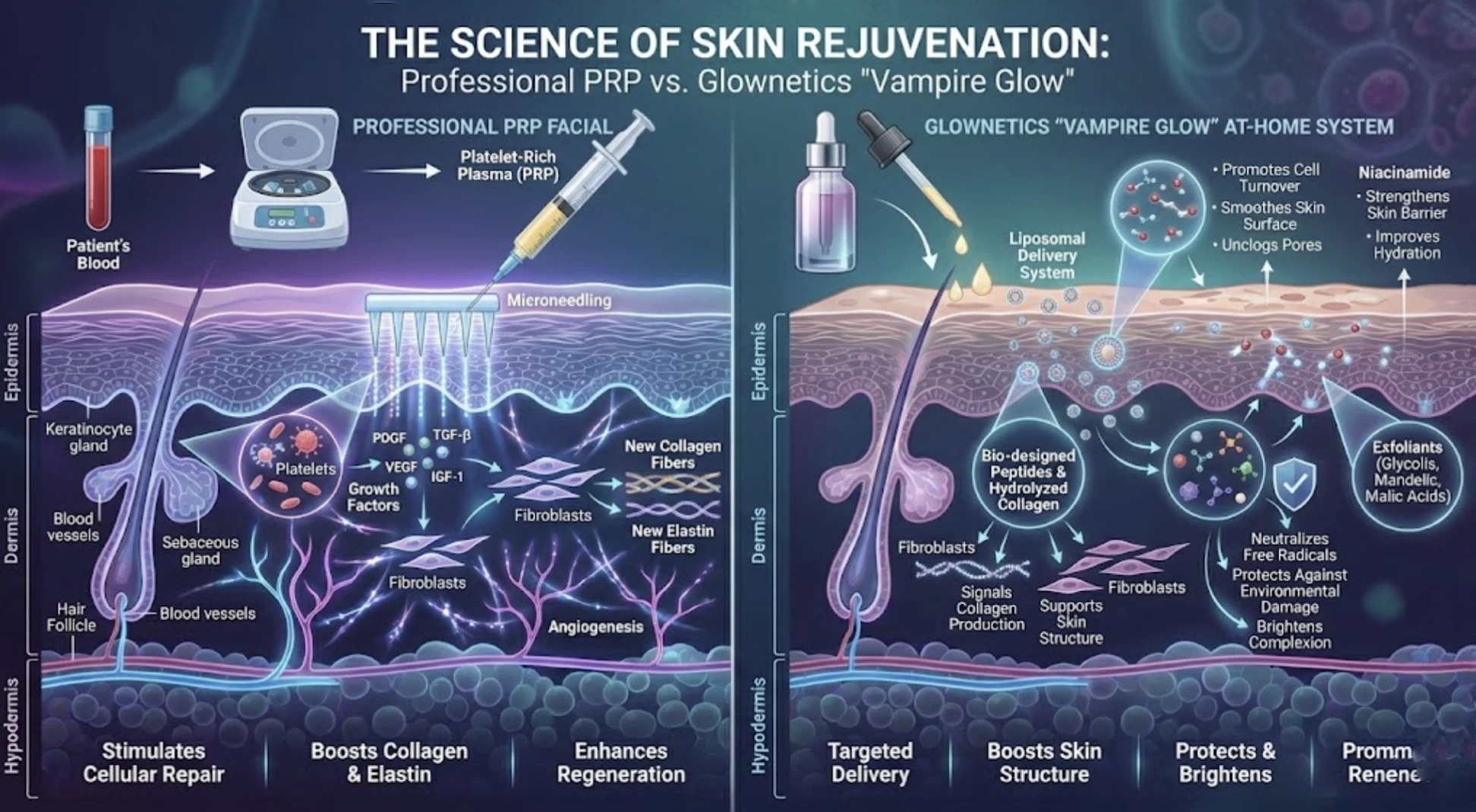
A PRP facial combines two proven skincare technologies: microneedling and platelet-rich plasma therapy. During a clinical PRP treatment, a technician draws your blood, spins it in a centrifuge to isolate the platelet-rich plasma, then applies this concentrated solution to your face while performing microneedling.
The theory is sound: platelets contain growth factors—specifically PDGF (platelet-derived growth factor), TGF (transforming growth factor), and VEGF (vascular endothelial growth factor)—that signal your skin cells to regenerate. When delivered through microchannels created by needling, these growth factors penetrate the dermis and activate fibroblasts, the cells responsible for producing collagen and elastin.
The result? Improved skin texture, reduced fine lines, diminished acne scars, and that coveted “glow” that comes from genuinely healthy, rejuvenated skin.
The PRP Facial Cost Problem
Here’s where reality sets in. A single PRP facial costs between $1,000 and $1,500 at most medical spas. Dermatologists typically recommend a series of three to six treatments spaced four to six weeks apart for optimal results. That’s potentially $6,000-$9,000 for a complete treatment protocol.
And it doesn’t end there. Maintenance sessions every six to twelve months are recommended to preserve results. For most people, that math simply doesn’t work.
This cost barrier has driven researchers and skincare formulators to ask an important question: Can we replicate the biological mechanisms of PRP without using actual blood-derived plasma?
The Science of At-Home PRP Alternatives
The answer lies in understanding what PRP actually does at the cellular level. When growth factors from platelets reach the dermal layer of your skin, they trigger a cascade of regenerative processes:
- Fibroblast activation and proliferation
- Increased collagen and elastin synthesis
- Enhanced cellular repair pathways
- Improved microcirculation and nutrient delivery
- Stem cell recruitment to damaged tissue
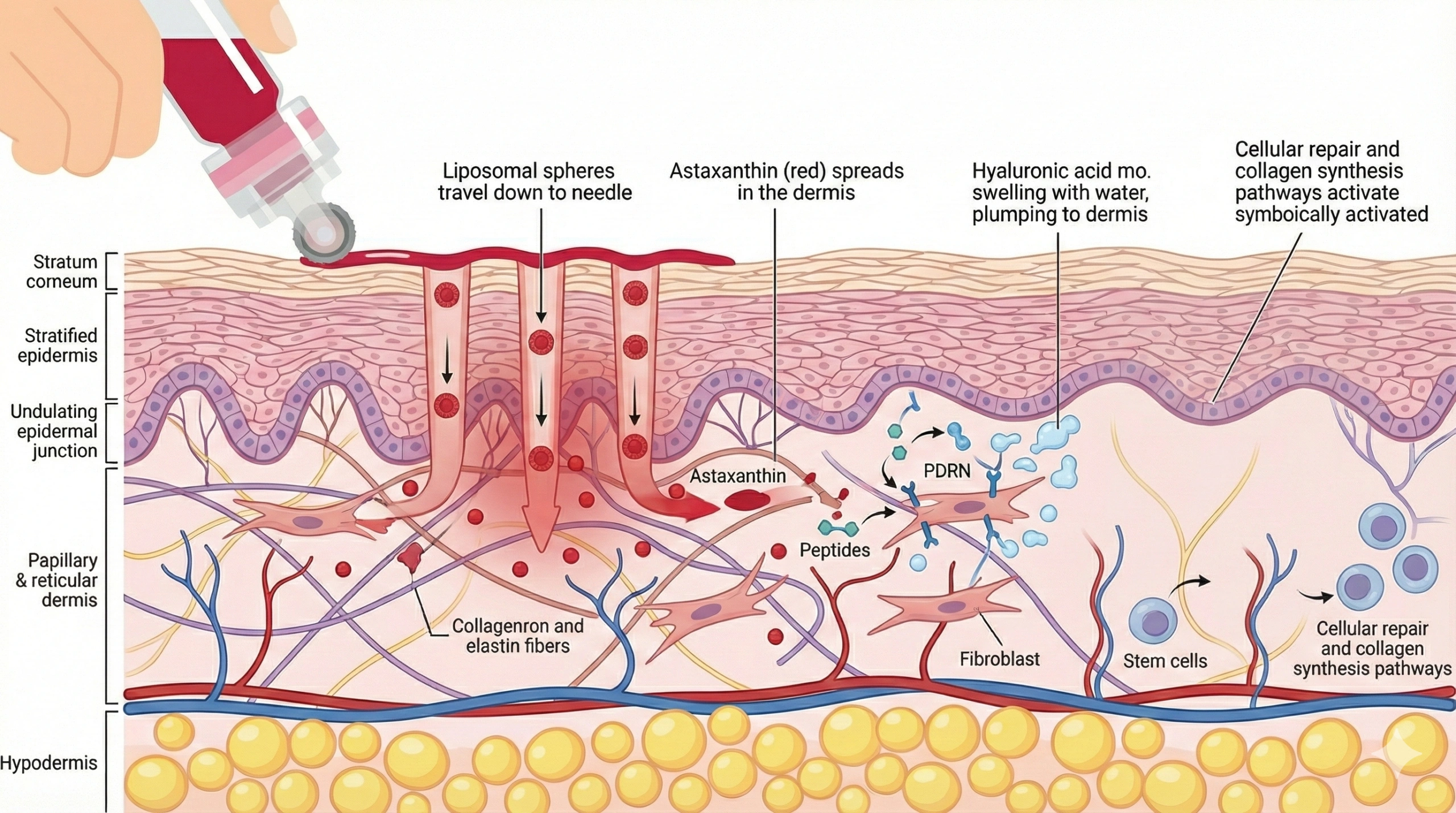
Modern skincare science has identified specific compounds that trigger these same pathways without requiring your own blood. The key players include:
PDRN (Polydeoxyribonucleotide): Derived from salmon DNA, PDRN activates adenosine A2A receptors on fibroblasts, directly stimulating collagen production and cellular repair. Multiple clinical studies have demonstrated PDRN’s effectiveness in wound healing and skin rejuvenation.
Peptide complexes: Specific peptide sequences like GHK-Cu (copper peptide) and Matrixyl signal fibroblasts to produce collagen in much the same way growth factors do. Copper peptide serums have become a cornerstone of professional anti-aging protocols for this reason.
Stem cell-derived growth factors: Plant and human stem cell extracts contain concentrated growth factors that mimic the signaling molecules found in PRP. When delivered transdermally through microneedling, these factors reach the same dermal targets as platelet-derived growth factors.
Hyaluronic acid: While HA doesn’t directly stimulate collagen, it creates the optimal hydrated environment for cellular repair and plumps the dermis from within. Hyaluronic acid serums are essential for maximizing the results of any microneedling protocol.
Why Delivery Method Matters More Than Ingredients
Here’s what most skincare brands won’t tell you: even the most potent peptide serum or growth factor concentrate won’t work if it can’t reach the dermis. The stratum corneum—your skin’s outermost barrier—is specifically designed to keep things out. That’s its job.
This is why PRP facials combine plasma with microneedling rather than simply applying PRP topically. The microchannels created by needling bypass the stratum corneum entirely, delivering active ingredients directly to the dermal layer where fibroblasts and stem cells reside.
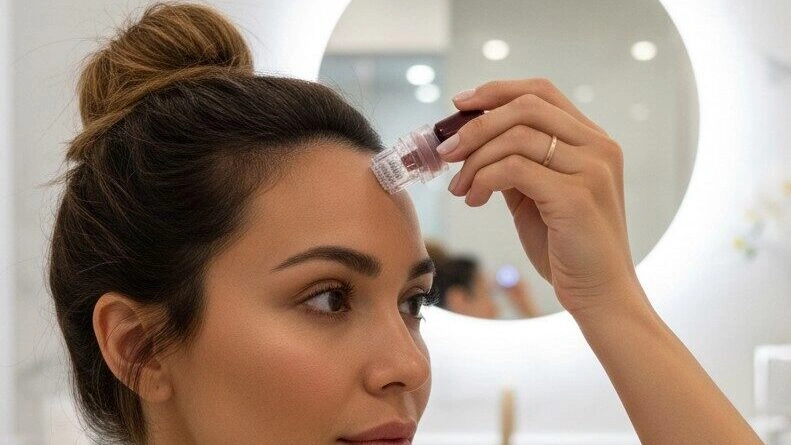
The same principle applies to at-home treatments. A quality microneedle device paired with correctly formulated serums can achieve the same transdermal delivery that makes clinical PRP effective. The difference isn’t the delivery mechanism—it’s the active ingredients being delivered.
Comparing Results: Clinical PRP vs. At-Home Protocols
The proof is in the outcomes. When stem cell serums, peptide complexes, and growth factors are delivered through proper microneedling technique, the results speak for themselves.
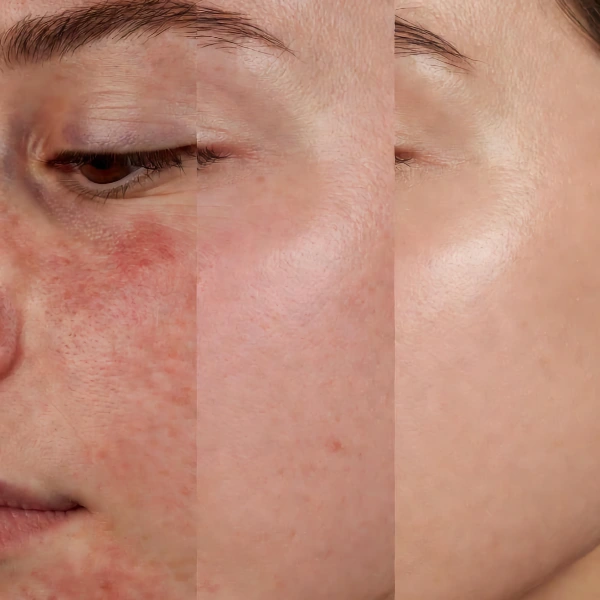
Notice the dramatic reduction in redness and inflammation in the progression above. This type of result—calming reactive skin while simultaneously improving texture—is exactly what PRP facials promise. The mechanism is identical: growth factors and regenerative compounds reaching the dermis and triggering cellular repair.
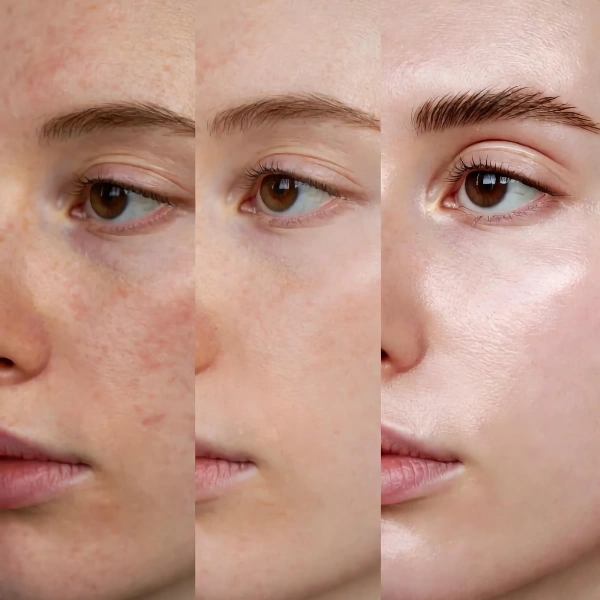
The transformation above shows what consistent at-home treatment can achieve: refined pores, improved texture, and that luminous “glass skin” effect that comes from genuinely healthy, collagen-rich skin. This isn’t surface-level improvement—it’s dermal remodeling.
Building Your At-Home PRP Alternative Protocol
If you’re ready to achieve professional results without the professional price tag, here’s what an effective at-home protocol looks like:
Step 1: Choose the right microneedling device. Needle depth matters. For facial rejuvenation, 0.25-0.5mm depths are ideal for at-home use—deep enough to create effective channels for ingredient delivery, shallow enough to be safe without professional supervision.
Step 2: Use serums formulated for transdermal delivery. Not all serums are created equal. Look for liposomal delivery systems that encapsulate active ingredients, allowing them to travel through microchannels and release at the dermal level. The Glownetics Active Stem Cell Serum Kit combines a professional-grade microneedle stamp with a liposomal serum containing PDRN, peptides, astaxanthin, and hyaluronic acid—specifically formulated to mimic PRP’s biological effects.
Step 3: Follow proper technique. Cleanse thoroughly, apply serum, then use the microneedle device in a systematic pattern across treatment areas. Proper microneedling technique ensures even coverage and optimal ingredient penetration.
Step 4: Support with the right actives. On non-needling days, continue supporting collagen synthesis with retinol, vitamin C, and niacinamide. These ingredients work synergistically to maintain and enhance your results.
Step 5: Be consistent. Like clinical PRP, at-home protocols require consistency. Microneedle once weekly for six to eight weeks, then transition to maintenance sessions every two to four weeks.
The Bottom Line on PRP Facials at Home
The PRP facial’s effectiveness isn’t about the blood—it’s about delivering growth factors and regenerative compounds to the dermal layer where they can actually trigger collagen synthesis and cellular repair. Modern skincare science has identified compounds that activate these same pathways, and proper microneedling delivers them to the same targets.
For the cost of a single clinical PRP session, you can build an at-home protocol that delivers ongoing results. The science supports it. The results prove it. And your skin—and your wallet—will thank you for it.
Ready to experience professional-grade skin rejuvenation at home? The Glownetics Stem Cell Kit combines everything you need: a precision microneedle stamp and our advanced liposomal stem cell serum, formulated to deliver PRP-level results without the clinic visit.


