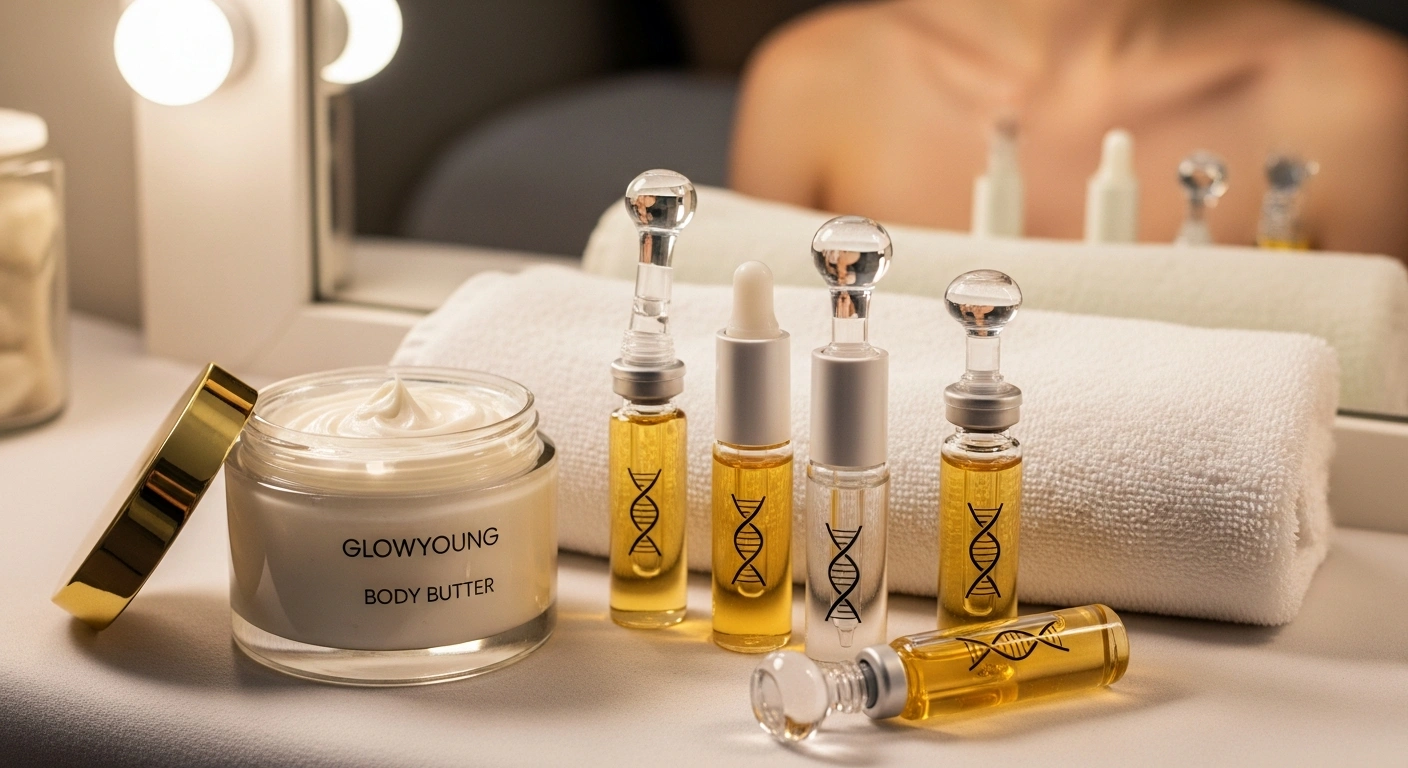
The chest and décolletage are often called the “second face”—and they frequently look older than the actual face. All those years of sun exposure, plus skincare that stopped at the chin, add up. But chest skin is very treatable.
Why the Chest Shows Age
Your décolletage faces unique challenges:
Extreme sun exposure: V-neck shirts, swimsuits, and sundresses expose this area constantly—often without sunscreen
Thin, delicate skin: Chest skin is relatively thin with less fat underneath
Sleep compression: Side sleeping compresses chest skin, creating sleep wrinkles
No sebaceous glands: The chest produces less oil than the face, leading to dryness
Total neglect: Most people apply nothing to their chest
The result? Wrinkles, sun spots, crepey texture, and redness that can make you look older than your face suggests.
Common Chest Skin Concerns
Horizontal Wrinkles
Lines running across the chest, often from sleep position and sun damage. These are partially from collagen loss and partially from repeated compression.
Crepey Texture
Thin, papery skin texture from collagen and elastin breakdown. Similar to crepey arm skin but often more pronounced.
Sun Spots/Hyperpigmentation
Brown spots and uneven tone from UV damage. Very common on chronically exposed chest skin.
Redness
Diffuse redness and visible capillaries from sun damage and thin skin.
Treatment Approach
Daily Active Care
Your chest needs the same active ingredients as your face:
Retinol: Apply Body Budder to chest nightly. Start every other night if sensitive.
Vitamin C: Morning antioxidant protection and brightening for sun spots.
SPF: Daily sunscreen on exposed chest—non-negotiable for preventing further damage.
Weekly Treatment
Microneedling accelerates results. Use 0.5mm needles (chest is more delicate than arms), light pressure, and hyaluronic acid serum during treatment.
| Concern | Key Treatment | Supporting Care |
|---|---|---|
| Wrinkles | Retinol + microneedling | Sleep position change |
| Crepey texture | Retinol + deep hydration | Ceramide products |
| Sun spots | Vitamin C + retinol | Strict SPF |
| Redness | Niacinamide + gentle care | Avoid irritants |
Chest Microneedling Protocol
The chest benefits from microneedling but requires gentler treatment than arms or legs:
Needle depth: 0.5mm maximum (chest skin is thinner)
Pressure: Light—don’t press hard
Direction: Multiple directions, avoiding the center of the sternum
Serum: Hyaluronic acid or niacinamide
Frequency: Every 1-2 weeks
After: Apply Body Budder
Sleep Position Matters
Side sleeping compresses chest skin all night, creating and reinforcing horizontal wrinkles. Options include:
Back sleeping: Eliminates chest compression entirely (easier said than done)
Chest pillow: Specially designed pillows that prevent chest skin from folding
Sleep bra: Supportive sleep bras keep chest skin from compressing
Topical treatments help, but if you’re compressing your chest 8 hours every night, you’re fighting an uphill battle.
Complete Chest Care Routine
Morning:
Gentle cleanser → Vitamin C serum → Moisturizer → SPF 30+ (essential!)
Evening:
Gentle cleanser → Body Budder or extend face retinol to chest → Optional: décolletage pad for sleep
Weekly:
Microneedling session with hyaluronic acid serum
Results Timeline
Week 1-2: Improved hydration, skin feels softer
Week 4-6: Texture improvement, slight brightening
Month 2-3: Visible wrinkle softening, sun spots fading
Month 4-6: Significant improvement in overall chest appearance
Chest skin responds well to treatment, but sun damage takes time to reverse. Be patient and consistent.
Prevention Going Forward
Once you’ve improved your chest, maintain it with daily SPF on any exposed chest, continued retinol use, gentle cleansing (no harsh soaps), regular attention (don’t go back to neglect), and sun-protective clothing when possible.
The Bottom Line
Your décolletage has probably been neglected while your face got all the attention. The good news is chest skin responds excellently to the same active ingredients—retinol, vitamin C, proper hydration, and microneedling.
Start treating your chest like the “second face” it is. In a few months, you won’t dread V-necks anymore.


