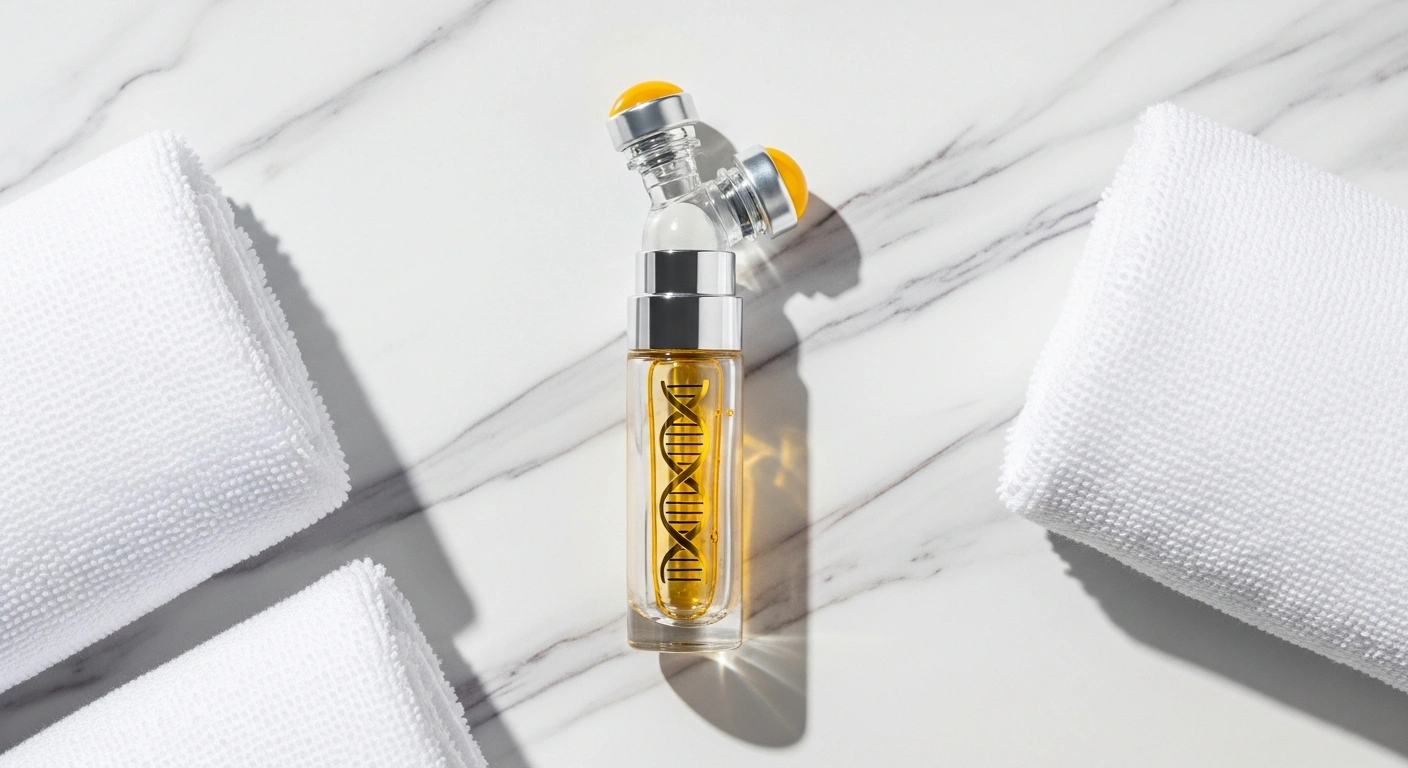
Vitamin C and microneedling are both anti-aging powerhouses. But combining them requires timing—get it wrong and you’ll end up with irritated, unhappy skin. Here’s how to use them together safely and effectively.
Why Vitamin C Is Valuable
Vitamin C (ascorbic acid) is a proven anti-aging ingredient that neutralizes free radicals (antioxidant protection), supports collagen synthesis, brightens skin and fades hyperpigmentation, and protects against UV damage (not a replacement for SPF).
It’s a cornerstone of most anti-aging routines for good reason.
The Problem: Vitamin C + Fresh Microneedling
Standard vitamin C serums (L-ascorbic acid) are formulated at low pH—typically 2.5-3.5. This acidity is necessary for stability and penetration, but it’s also potentially irritating.
When you microneedle, you create open channels in your skin. Applying acidic vitamin C to these channels can cause burning and stinging, excessive irritation and redness, and potentially compromise the healing process.
The deep penetration that makes microneedling effective for serums also means irritants penetrate deeper.
Safe Timing for Vitamin C and Microneedling
Before Microneedling
Stop vitamin C 24 hours before treatment. This gives your skin a break from the acidity before creating channels.
During Microneedling
Use gentler serums instead. Hyaluronic acid, niacinamide, and peptides are excellent during treatment—they support healing without irritation.
After Microneedling
Wait 24-48 hours before resuming vitamin C. Let those channels close and initial healing occur before reintroducing acids.
| Timing | Vitamin C Use | What to Use Instead |
|---|---|---|
| 24 hours before | Stop use | Continue other serums |
| During treatment | Avoid | Hyaluronic acid; niacinamide; peptides |
| 0-24 hours after | Avoid | Hydrating; healing serums |
| 24-48 hours after | Can resume | Resume normal routine |
| 48+ hours after | Normal use | Full routine |
Gentler Vitamin C Alternatives for Microneedling Days
If you really want vitamin C benefits closer to treatment, consider vitamin C derivatives that are less acidic:
Sodium Ascorbyl Phosphate: Stable, water-soluble, neutral pH. Gentler than L-ascorbic acid.
Ascorbyl Glucoside: Converted to vitamin C in skin. Very stable and gentle.
Magnesium Ascorbyl Phosphate: Good for sensitive skin, less irritating than L-ascorbic acid.
These won’t have the same potency as L-ascorbic acid, but they’re safer options if you want some vitamin C activity during your microneedling recovery window.
The Best Serums for Microneedling Days
Instead of vitamin C, use these during and immediately after microneedling:
Hyaluronic Acid: Deep hydration through open channels. Supports healing.
Niacinamide: Reduces inflammation, supports barrier repair. Perfect for recovery.
Peptides: Signal collagen production. Synergistic with microneedling’s collagen-boosting effects.
Growth Factors: Stem cell serums support regeneration. Excellent post-microneedling.
These ingredients enhance microneedling results without risking irritation.
Weekly Schedule Example
Sunday (Microneedling Day):
Skip morning vitamin C → Evening: Microneedle with HA + peptide serum → Recovery serum overnight
Monday (Recovery):
Morning: Skip vitamin C, use niacinamide → Evening: Hydrating routine, no acids
Tuesday (Resume Normal):
Morning: Resume vitamin C → Evening: Normal routine with retinol
Wednesday-Saturday:
Normal routine with vitamin C mornings, retinol evenings
Why Bother with Both?
Using both vitamin C and microneedling (at appropriate times) gives you complementary benefits:
Microneedling: Triggers collagen production through controlled injury, enhances product absorption.
Vitamin C: Supports collagen synthesis, provides antioxidant protection, brightens skin.
Together, they address anti-aging from multiple angles. You’re stimulating collagen (microneedling), providing the materials for collagen production (vitamin C), and protecting existing collagen from damage (vitamin C antioxidant effects).
Signs You’ve Combined Them Wrong
If you experience these after using vitamin C too close to microneedling, you’ve likely irritated your skin:
Intense stinging or burning during application. Prolonged redness beyond normal microneedling pinkness. Increased sensitivity that lasts days. Peeling or flaking beyond normal.
If this happens: Stop vitamin C immediately. Focus on hydration and healing. Let skin recover before reintroducing acids.
The Bottom Line
Vitamin C and microneedling are both excellent for anti-aging—just don’t use them simultaneously. Time your vitamin C use around microneedling sessions (24 hours before, 24-48 hours after), and use gentler serums during and immediately after treatment.
Patience with timing protects your skin while letting you get the benefits of both powerful treatments.


